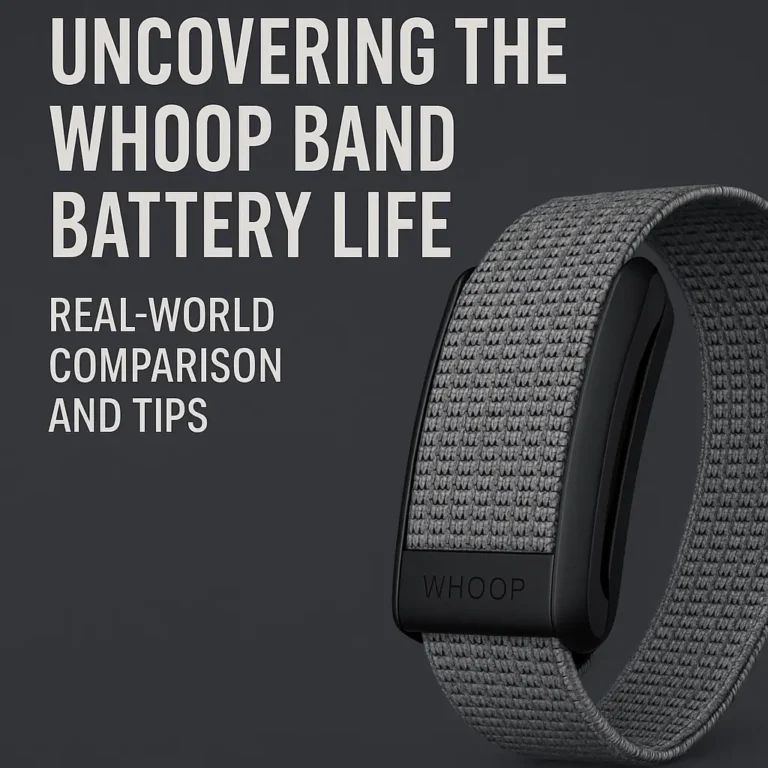
WHOOP for Beginners – Everything You Need to Know Before Getting Started in 2025
Most fitness trackers on the market today promise to count your steps, log calories, and keep you moving. That’s fine for casual activity tracking, but it doesn’t tell you the whole story of your health.
WHOOP takes a very different approach. Instead of focusing on how much you move, WHOOP focuses on how well your body recovers from stress, workouts, and daily life. In other words, WHOOP isn’t about how many steps you take — it’s about how ready you are to perform, whether in the gym, at work, or in everyday life.
This recovery-first philosophy has made WHOOP one of the most popular wearables in 2025 for athletes, professionals, and anyone serious about optimizing health. But does that mean it’s a good choice for beginners too?
That’s what we’ll explore in this guide.
What Makes WHOOP Unique
WHOOP stands out from traditional trackers because of four key differences:
- No screen – distraction-free: Unlike smartwatches, WHOOP doesn’t buzz with texts, emails, or notifications. It’s a band designed purely for health and recovery data.
- Recovery-first focus: WHOOP tracks your HRV (heart rate variability), resting heart rate, and respiratory rate to calculate a daily Recovery Score. This shows how ready your body is to handle stress.
- Strain tracking instead of steps: WHOOP doesn’t care about steps. Instead, it gives you a Strain Score that measures how much effort your workouts and daily activities put on your body.
- Sleep coaching: WHOOP analyzes your sleep cycles and recommends when to go to bed and how long to sleep to optimize recovery.
These features make WHOOP more than a fitness band — it’s a personal recovery coach, giving you insights you won’t get from a regular smartwatch.
How WHOOP Works – The Basics
At first glance, WHOOP may look like just another fitness band, but it operates differently than most wearables. Instead of focusing on surface-level numbers like steps or calories, it gives you a full picture of recovery, strain, and sleep.
Here’s a beginner-friendly breakdown of how it works:
1. The WHOOP Band + Membership
- WHOOP comes with a band that you wear 24/7.
- Unlike other trackers, WHOOP requires a membership subscription (about $30–$40/month).
- The subscription unlocks all analytics in the WHOOP app, which is where the real value lies.
2. Continuous Monitoring
- WHOOP continuously tracks your heart rate, HRV (heart rate variability), and respiratory rate.
- By collecting this data while you’re awake and asleep, WHOOP builds a profile of your body’s stress and recovery.
3. Recovery Score – Daily Readiness
- Each morning, WHOOP gives you a Recovery Score (green, yellow, or red).
- Green: You’re recovered and ready to push harder.
- Yellow: Moderate recovery — proceed with balance.
- Red: Your body is under stress — time to rest or reduce strain.
- This score is based on HRV, resting HR, respiratory rate, and sleep.
4. Strain Score – Tracking Effort
- Instead of counting steps, WHOOP measures strain — the cardiovascular load from workouts and daily activities.
- Strain helps you understand whether you’re pushing too hard (or not enough) compared to your recovery.
5. Sleep Tracking and Coaching
- WHOOP analyzes your sleep stages (light, deep, REM) and disturbances.
- It also gives you a Sleep Coach recommendation — telling you when to go to bed and how much sleep you need to hit peak recovery.
In short: WHOOP isn’t just a fitness tracker. It’s a 24/7 coach that shows whether your body is ready to perform, when to push, and when to rest.
Who Is WHOOP Best For?
WHOOP may sound like it’s built only for elite athletes, but in reality, it serves a wide range of people. Here’s who benefits most from WHOOP in 2025:
1. Athletes and Fitness Enthusiasts
- WHOOP is especially popular among athletes because it shows when to train hard and when to recover.
- Instead of guessing, athletes use WHOOP’s strain and recovery scores to prevent overtraining and improve performance.
- Example: A runner can plan high-mileage days only when recovery is green.
2. Busy Professionals
- Stress doesn’t just come from workouts — it also comes from long work hours, poor sleep, and travel.
- WHOOP helps professionals monitor recovery, spot stress overload, and improve sleep for better focus and productivity.
- Example: An executive traveling across time zones can see how jet lag affects HRV and adjust sleep accordingly.
3. Wellness Seekers
- Not everyone wears WHOOP to train harder. Many use it to live healthier.
- By tracking sleep debt, recovery, and lifestyle habits (like alcohol and caffeine), WHOOP helps improve overall wellbeing.
- Example: A person who doesn’t go to the gym daily can still use WHOOP to see how late-night meals or stress impact recovery.
4. Beginners Who Want More Than Steps
- If you’re currently using a Fitbit or Apple Watch, you’re likely tracking steps and calories — but not recovery.
- WHOOP is ideal if you’re ready to go deeper into understanding your body’s stress and sleep patterns.
- It helps beginners avoid the common mistake of “working harder” without proper rest.
Takeaway: WHOOP is best for anyone who wants to stop guessing about recovery and start making data-driven health decisions — whether you’re training for a marathon, working long hours, or just trying to feel more energetic.
WHOOP Setup Guide – Step by Step
Getting started with WHOOP in 2025 is simple, but there are a few things beginners should know to make the most of it. Here’s a clear setup roadmap:
Step 1: Download the WHOOP App
- Available for iOS and Android.
- The app is your control center — it’s where you’ll see recovery scores, strain, sleep analysis, and habit correlations.
Step 2: Pair Your WHOOP Band
- Turn on Bluetooth on your phone.
- Follow the in-app instructions to connect your WHOOP band.
- Once paired, WHOOP will begin tracking continuously.
Step 3: Wear It 24/7
- WHOOP works best when worn all the time, including during workouts, sleep, and daily activities.
- You can wear it on your wrist, arm, or even with WHOOP’s clothing line (which has sensor integration).
Step 4: Log Habits in the Behavior Journal
- Each day, log lifestyle factors like caffeine, alcohol, late meals, or stress.
- Over time, WHOOP will show how these habits affect your recovery, sleep, and HRV.
Step 5: Let WHOOP Build a Baseline
- WHOOP needs at least 4–7 days to establish your baseline recovery data.
- Don’t worry if scores look inconsistent at first — the insights get stronger with time.
- After ~1 month, you’ll start seeing clear patterns.
Step 6: Use Sleep Coach Daily
- WHOOP will recommend when to go to bed and how long to sleep based on your recovery and strain.
- Treat these recommendations seriously — they’re one of WHOOP’s most powerful beginner features.
Pro Tip: Don’t obsess over every number in the first week. Focus on trends over time, not single-day scores.
Common Beginner Mistakes With WHOOP
WHOOP is a powerful tool, but beginners often misunderstand how to use the data. Here are the most frequent mistakes — and how you can avoid them:
1. Obsessing Over Daily HRV
- Many new users panic when their HRV dips for a single night.
- Reality: HRV naturally fluctuates due to stress, hydration, or even a poor night’s sleep.
- The key is to watch trends over time, not one-day drops.
2. Ignoring Sleep Recommendations
- WHOOP’s Sleep Coach is one of its best features, yet many beginners ignore it.
- Skipping recommended sleep times leads to chronic sleep debt, which lowers recovery and performance.
- Tip: Treat WHOOP’s sleep suggestions as part of your health routine.
3. Overtraining on Red Recovery Days
- A common mistake is pushing hard workouts even when WHOOP shows red recovery.
- This leads to fatigue, stress buildup, and even injury.
- Tip: Use red days for light activity, mobility, or active recovery.
4. Forgetting to Log Lifestyle Habits
- WHOOP’s Behavior Journal is critical for finding hidden stress triggers.
- Beginners often skip it, missing insights like:
- Alcohol cutting recovery by 20%.
- Caffeine late in the day reducing REM sleep.
- Tip: Log habits daily for the most accurate feedback.
5. Expecting Instant Results
- WHOOP takes time to build your baseline data (usually 1–4 weeks).
- Beginners sometimes expect perfect accuracy on day one and get frustrated.
- Tip: Be patient — WHOOP gets more powerful as it learns your personal patterns.
Takeaway: WHOOP isn’t just about wearing the band — it’s about learning from trends and applying the insights. Avoiding these beginner mistakes will help you see real benefits faster.
WHOOP vs Other Trackers for Beginners
When you’re new to fitness tracking, it’s easy to feel overwhelmed by the number of choices. Fitbit, Apple Watch, Oura, Garmin — all have different strengths. Here’s how WHOOP compares for beginners in 2025:
Fitbit / Apple Watch – Simpler and Familiar
- Strengths:
- Track steps, calories, and daily activity goals.
- Easy-to-use interfaces with attractive designs.
- Affordable (especially Fitbit).
- Limitations:
- Focus on surface-level activity metrics.
- Sleep tracking is basic compared to WHOOP.
- Don’t measure recovery depth (HRV + strain balance).
Verdict for Beginners: Great entry-level option if you only care about steps, calories, and casual sleep tracking.
Oura Ring – Focused on Sleep and Readiness
- Strengths:
- Comfortable and discreet ring design.
- Strong sleep stage tracking and readiness scores.
- Useful for lifestyle and wellness tracking.
- Limitations:
- Less focused on workout strain and athletic recovery.
- More passive feedback than WHOOP’s active coaching.
Verdict for Beginners: Best if sleep quality and wellness are your main priorities, but not ideal for serious training.
WHOOP – Recovery and Coaching for Beginners
- Strengths:
- Tracks recovery, strain, and sleep in depth.
- Behavior Journal links habits to performance.
- Provides coaching-style recommendations (bedtime, training intensity).
- Limitations:
- Requires a membership ($30–$40/month).
- Lacks smartwatch features like notifications or GPS.
- Takes ~1 month to build meaningful insights.
Verdict for Beginners: Best choice if you want to understand your body, prevent burnout, and improve recovery — not just count steps.
Key Takeaway
- If you want basic activity tracking → Fitbit or Apple Watch.
- If you want detailed sleep insights → Oura Ring.
- If you want all-around recovery coaching → WHOOP is the best option, even for beginners.
Limitations Beginners Should Know
WHOOP is powerful, but it’s not for everyone. Beginners should be aware of a few downsides before getting started in 2025:
1. Membership Cost
- WHOOP requires a subscription ($30–$40/month) on top of the device.
- While it delivers advanced insights, it’s pricier than Fitbit or Apple Watch, which often have one-time costs.
2. No Smartwatch Features
- WHOOP is focused only on recovery and health data.
- It doesn’t show notifications, GPS, or music controls.
- If you want a device that also works as a smartwatch, WHOOP isn’t the right fit.
3. Not a Medical Device
- WHOOP tracks HRV, resting HR, and sleep — but it does not diagnose medical conditions.
- Beginners with health concerns should consult a doctor, not rely on WHOOP for diagnosis.
4. Takes Time to Learn
- WHOOP isn’t an instant-gratification tracker.
- It takes at least a week to build baseline data, and closer to a month for clear insights.
- Beginners who expect quick results may get frustrated if they don’t understand this learning curve.
5. Always-On Commitment
- WHOOP works best when worn 24/7.
- Beginners who don’t like wearing a band at night or during workouts may struggle with consistency.
Bottom Line: WHOOP is incredibly powerful, but beginners should know it’s a long-term investment in health — not a casual step counter.
FAQ – WHOOP for Beginners
1. Is WHOOP easy to use for non-athletes?
Yes. WHOOP was originally built for athletes, but in 2025 it’s widely used by professionals, wellness seekers, and everyday people. You don’t need to be an athlete to benefit — as long as you care about sleep, recovery, and stress, WHOOP has value.
2. Do I need to wear WHOOP 24/7?
For best results, yes. WHOOP works by collecting continuous data, especially during sleep. Skipping hours or days won’t ruin results, but consistent wear gives the most accurate insights.
3. How long before WHOOP gives accurate results?
WHOOP needs about 4–7 days to establish a baseline, but the most meaningful insights come after 3–4 weeks of continuous wear. Think of it as a long-term coach, not a one-day test.
4. Can WHOOP help with weight loss or fitness goals?
Indirectly, yes. WHOOP doesn’t count calories or steps, but it shows how recovery, sleep, and habits affect performance. Better recovery → better workouts → more sustainable fitness and weight loss results.
5. Is WHOOP worth it for casual users?
It depends. If you only want a step counter or calorie tracker, WHOOP may feel like overkill. But if you want deeper insights into recovery, stress, and sleep quality, WHOOP is one of the best tools available in 2025.
6. Does WHOOP replace a smartwatch?
No. WHOOP doesn’t provide notifications, GPS, or music controls. Many beginners wear WHOOP alongside a smartwatch (Apple, Garmin, etc.) for the best of both worlds.
Final Verdict – Should Beginners Try WHOOP in 2025?
WHOOP isn’t like other wearables. It doesn’t count steps, buzz with notifications, or double as a smartwatch. Instead, it focuses on the three pillars that matter most for long-term health: recovery, sleep, and stress.
For beginners, this means:
- A clearer picture of your health than calories and steps alone.
- Coaching-style guidance to improve recovery and performance.
- Long-term accountability through habit tracking and trend analysis.
WHOOP does have a learning curve, and it requires both a membership and 24/7 wear. But if you want more than surface-level tracking, WHOOP is one of the best investments you can make in 2025.
Verdict:
- If you only want casual activity tracking → choose Fitbit or Apple Watch.
- If you want to truly understand your body and improve sleep, recovery, and resilience, WHOOP is worth it — even for beginners.
Call-to-Action – Start With WHOOP Today
If you’re ready to move beyond steps and calories and start tracking the metrics that actually matter, WHOOP is your best next step.
Check the latest WHOOP 5.0 and MG bundles here:
https://join.whoop.com/DISCOUNT_OFFER/